FBI Security Clearance
- If you are seeking a position with the Federal Bureau of Investigation (FBI), you will have to submit to the security clearance process, including filling out security forms (SF-86), an interview, and often a polygraph examination.
- The FBI is the federal government’s lead law enforcement agency and takes any criminal history or disregard for laws very seriously.
- Many FBI jobs are considered national security positions, including intelligence analysts and special agent roles.
- An experienced security clearance attorney can assist you in completing the security forms, gathering relevant documents, and preparing you for the interview process.
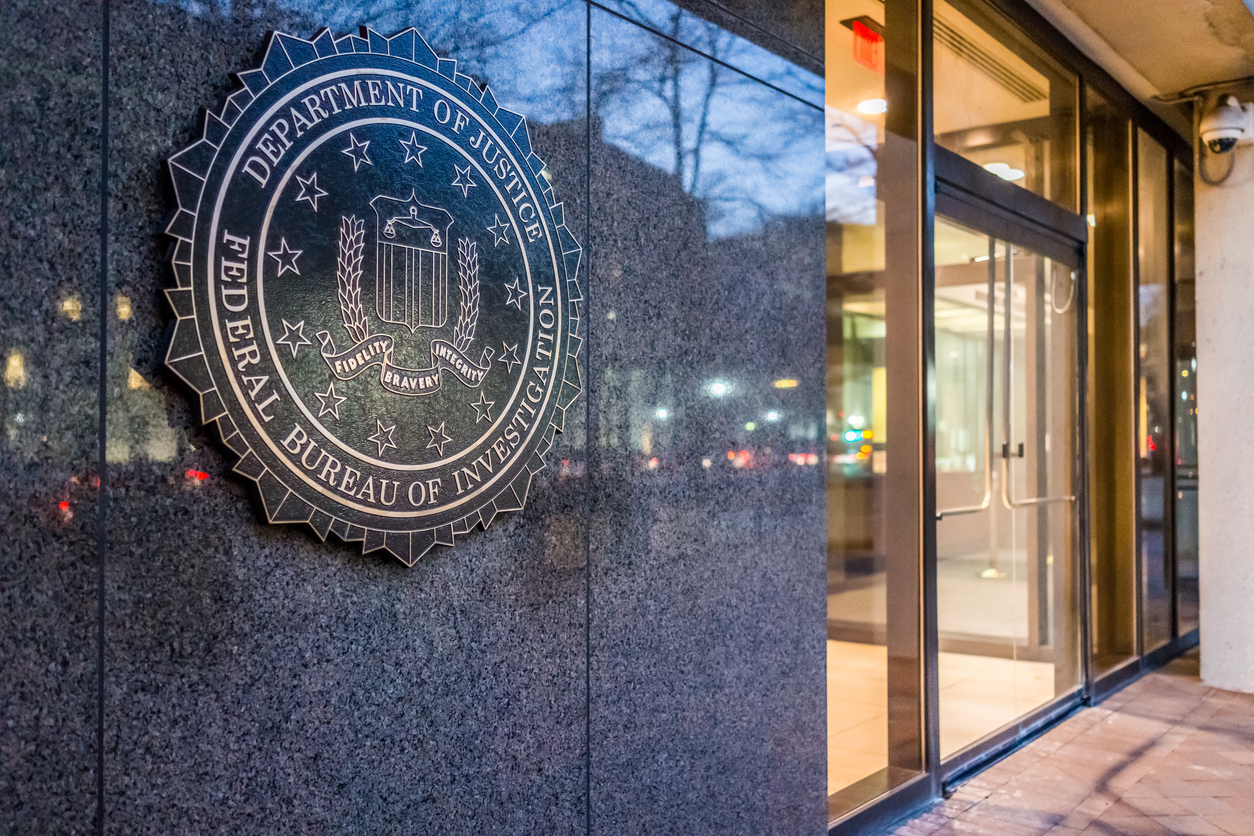
Understanding FBI Security Clearances and Eligibility Requirements
The FBI has a defined eligibility that is helpfully made public to allow potential applications to decide if they meet the minimum requirements and want to submit to the background investigation process.
- Automatic disqualifying conduct for the FBI includes:
- Drugs
- Use of marijuana/THC/CBD with >.3% THC in any form within 1 year
- Misuse of prescription drugs within 1 year
- Abuse of prescription, over the counter drugs, or legally obtained substances (inhalants, solvents, etc.) within past 3 years
- Illegal drug use except THC within past 10 years, including anabolic steroids
- Failing the FBI-administered drug test
- Criminal Conduct
- Felony convictions
- Domestic violence convictions (even misdemeanors)
- Financial Problems
- Defaulting on federal student loans
- Failing to pay court-ordered child support
- Failing to file or pay state, federal, or local taxes
- Drugs
Navigating the Security Clearance Process: SF-86, Fingerprinting, and Timelines
- If you are selected to begin the hiring process with the FBI, the first requirement will be to fill out the Standard Form 86 (SF-86), now usually done through the eQIP online application.
- Most FBI roles require a Top Secret security clearance to receive access to classified information. Top Secret national security information is defined as information whose unauthorized disclosure would cause exceptionally grave damage to national security.
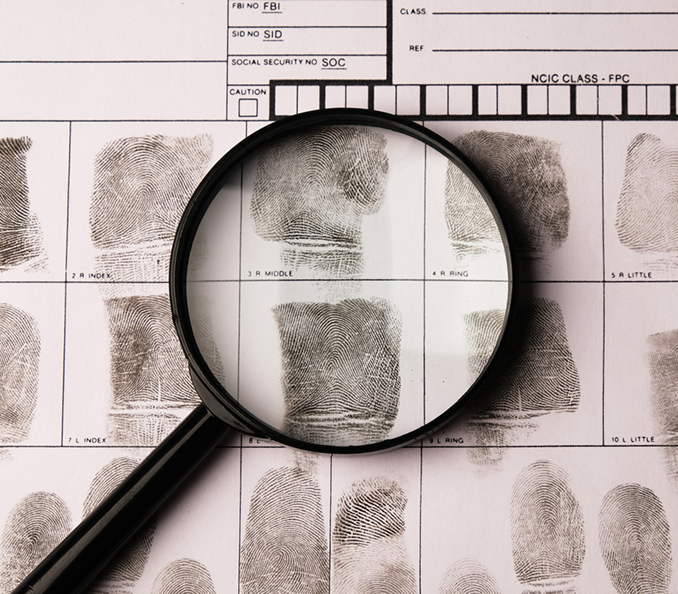
- You will also be instructed schedule electronic fingerprinting appointments and obtain an Identity History Summary. This will provide the FBI with a criminal history check to verify any claims made about criminal records or the lack thereof.
- A criminal background check that reveals any derogatory history will often lead to the denial of an interim security clearance, which does not necessarily mean the full security clearance will be denied.
- You should gather supporting documents (birth certificates, passports, financial records) well before applying to prevent delays, especially if you have any issues that may require deeper investigation (born in a foreign country, past financial or criminal problems, mental health counseling, etc.)


Schedule a Consult Today
If you are applying to the FBI and need assistance with the security forms or have been notified of a security clearance denial or revocation, contacting an experienced security clearance attorney can help resolve issues and ease concerns.
Polygraphs and Suitability
The FBI requires its applicants to pass a polygraph examination, most often a counterintelligence (CI) polygraph, prior to starting on duty.
The polygraph is a deeply divisive topic among federal employees, government contractors, and military service members across the government. Nonetheless, if the position you apply for requires the polygraph, you will have to endure the exam at least once.
If you are unable to pass the polygraph exam, which is a common experience, you will not necessarily be denied a security clearance. Often, the FBI will simply rescind a conditional offer and deny on the grounds of suitability.
In most cases, you will be barred from reapplying for a period of 6-12 months if you are denied suitability.
Deep Dive: What FBI Background Investigators Actually Check in a Background Investigation
- Once you have completed the SF-86, investigators will begin interviewing contacts to verify important factors such as:
- Residences
- Marital history
- Education history
- Employment history
- Drug involvement and alcohol use
- Psychological conditions
- Police records
- Financial history
- Associations with those involved with criminal or terrorist organizations
- Personal interview. You will also be interviewed by an investigator to discuss your SF-86 information and to clarify anything that is either unknown or conflicts with other information that has become known during your investigation.
- Polygraph. All FBI employees must submit to a counterintelligence (CI) polygraph at a minimum.
- Drug test. You will submit to a drug urinalysis prior to hire to rule out current consumption of illegal drugs, including THC, as it remains federally illegal.
- Processing time. Processing time for any stage of a security clearance process is
Adjudication, Denials, and the FBI Clearance Appeals Process
- Like all federal agencies that require security clearances, the FBI determines access for a security clearance with the National Security Adjudicative Guidelines, SEAD 4.
- A denial or revocation of a security clearance for the FBI (or other Department of Justice agency) provides the opportunity to review the documents relied upon to deny or revoke the clearance and to submit a written response. This is the first level of review.
- If the denial or revocation is upheld, a further appeal is handled through the Access Review Committee (ARC), which must be submitted within 30 days of the first level of review decision. A personal appearance is provided, as it being assisted by an attorney at the applicant’s own expense.
- The ultimate standard to determine if an unfavorable determination upheld is the same as all other agencies, whether it is clearly consistent with the national security interests of the United States that the person be granted access to classified national security information.
- These procedures, while similar to that of many other agencies, are able to be bypassed by the Attorney General if there is a finding that national security requires that the procedural steps be waived and thus due process not provided to the appellant.
- The ARC decision is final and not appealable.

Schedule a Consult Today to Discuss Your FBI Security Clearance Concerns Today
- If you are applying to the FBI and need assistance with the security forms or have been notified of a security clearance denial or revocation, contacting an experienced security clearance attorney can help resolve issues and ease concerns.
umentation to correct or clarify areas of concern or a well-crafted response to the written denial, but time is of the essence. - Many issues can be resolved with documentation to correct or clarify areas of concern or a well-crafted response to the written denial, but time is of the essence.
- Our firm has experience with security clearance denials across the federal government and assists clients with SF-86 form completion, Statement of Reasons responses, and hearing preparation and representation. Call us today for a free confidential consultation to discuss your concerns today. Brian@LSAttorneys.com 847-775-7701.